Einführung
Im Großserienbau mobiler Maschinen – insbesondere für landwirtschaftliche Traktoren, Frontlader, Baggerlader und leichte Baumaschinen – stellen hydraulische Monoblock-Wegeventile den Industriestandard für die Flüssigkeitsführung dar. Monoblock-Ventile sind aus einem einzigen hochfesten Eisenkörper gegossen und machen Verbindungsdichtungen zwischen den Abschnitten überflüssig. Sie bieten eine hervorragende Leckagebeständigkeit, kompakte Montageabmessungen und eine hohe strukturelle Steifigkeit bei Betriebsdrücken von bis zu 31,5 MPa (315 bar).
Die Auswahl der optimalen Monoblock-Ventilspezifikation für eine OEM-Geräteplattform erfordert jedoch das Abwägen mehrerer technischer Parameter: Spulenanzahl (im Bereich von 1 bis 7 Spulen), Durchflusskapazität (von 40 l/min bis 160 l/min), Entlastungsventilkonfigurationen, Bedingungen der Spulenmitte und Betätigungsschnittstellen.
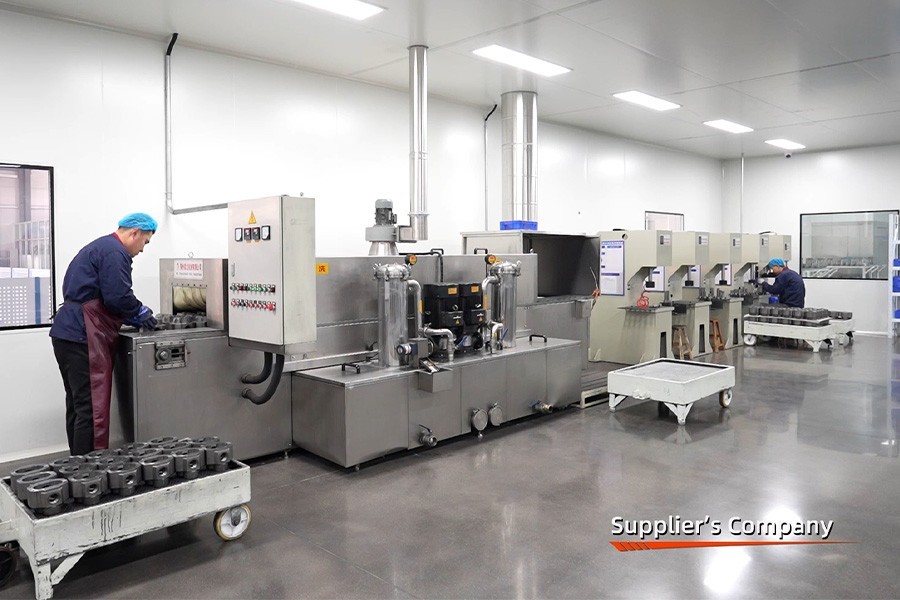
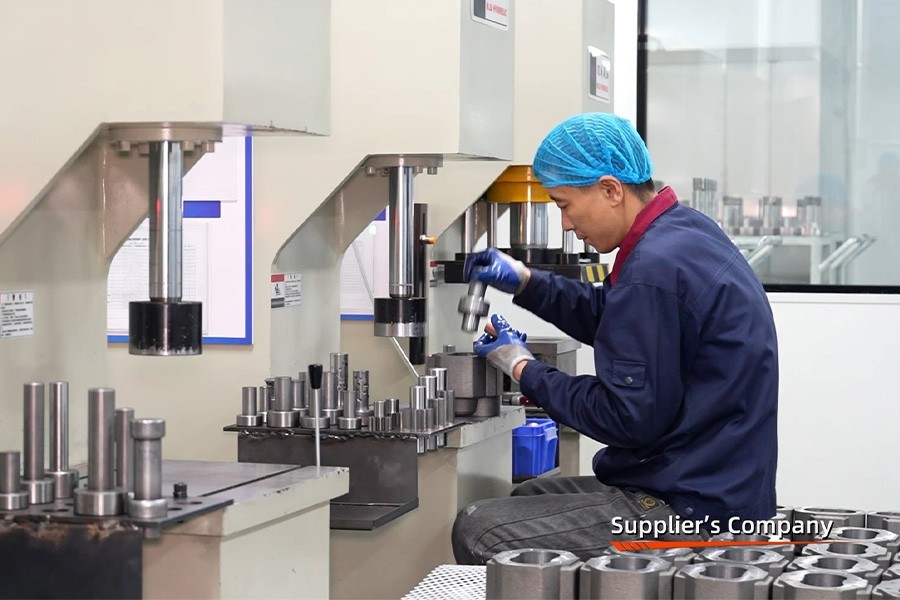
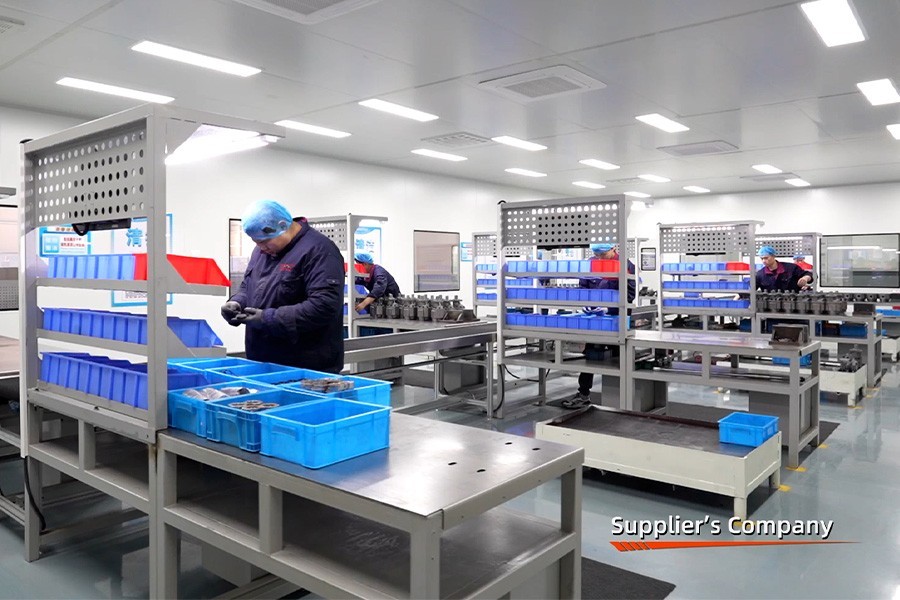
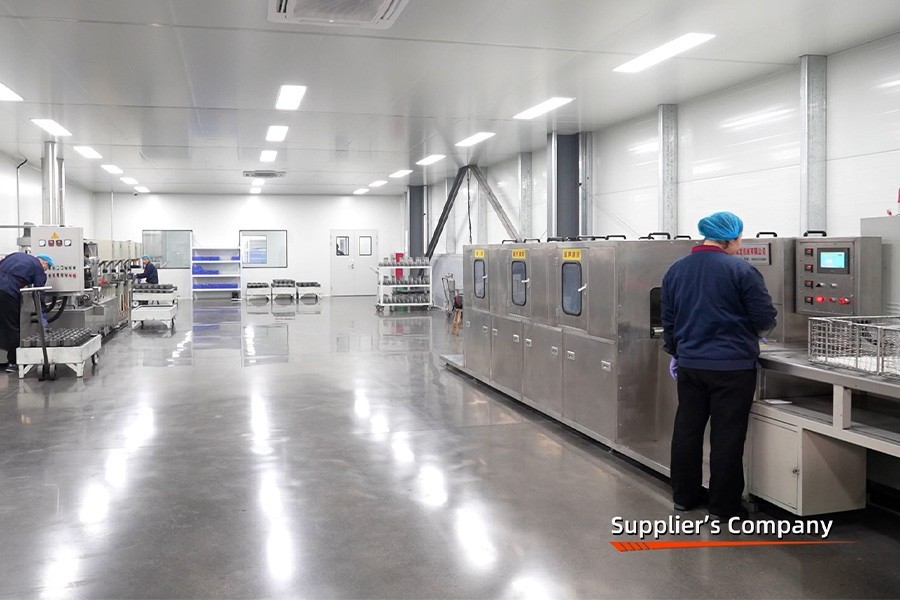
Bei Boxinhuasheng Hydraulic Technology Co., Ltd. ist die Herstellung von Monoblock-Wegeventilen eine unserer Hauptproduktlinien. Auf unserem 68.000 m² großen Campus in Qingzhou, China, produziert Boxinhuasheng jährlich über 1,5 Millionen Hydraulikeinheiten in 4 spezialisierten Produktionsstätten. Dank der Unterstützung von 35 erfahrenen Hydraulikingenieuren, über 260 CNC-Maschinen, der Qualitätszertifizierung nach IATF 16949 und der SGS-Werksüberprüfung durch Dritte vertrauen Gerätehersteller in über 80 Ländern auf unsere Monoblockventile.
Dieser technische Leitfaden bietet OEM-Einkaufsmanagern und Konstrukteuren einen strukturierten Rahmen für die Auswahl leistungsstarker hydraulischer Monoblockventile.
Wichtige strukturelle Vorteile der Monoblock-Konstruktion
Bevor die Auswahlparameter detailliert beschrieben werden, ist es wichtig zu verstehen, warum Gerätehersteller die Monoblock-Ventilarchitektur für mobile Großserienmaschinen bevorzugen:
┌──────────────────────────── ────────────────────────────┐
                  │ VORTEILE DER MONOBLOCKVENTILTECHNIK │
                  └───────────────────────────┬ ────────────────────────────┘
                                              │
         ┌────────────────────── ────────┬─────┴───────── ───────────────┬─────── ───────────────────────┐
         ▼ ▼ ▼ ▼
┌──────────────────┐ ┌──────────────────┐ ┌──────────────────┐ ┌──────────────────┐
│ Null-Mittelteil │ │ Hohe Struktur │ │ Kompakte Montage │ │ Integrierte Entlastung│
│ Leckagepfade │ │ Steifigkeit (31,5 MPa│ │ Physischer Platzbedarf│ │ & Sicherheitsventile │
└──────────────────┘ └──────────────────┘ └──────────────────┘ └──────────────────┘- Keine externe Leckage im Mittelteil: Im Gegensatz zu Sektionsventilen (modularen Ventilen), die durch Zugstangen und O-Ringe zwischen den Sektionen zusammengehalten werden, besitzen Monoblock-Körper keine internen Sektionsverbindungsflächen, wodurch das Austreten von Öl in der Mitte des Stapels bei starken Vibrationen verhindert wird.
- Hochdruckkapazität: Die aus hochfestem Sphäroguss (QT500-7) gegossenen Monoblockkörper halten hohen Arbeitsdrücken (bis zu 31,5 MPa) und interner Ermüdungsbeanspruchung durch schnelle Druckspitzen stand.
- Kostengünstige OEM-Standardisierung: Einteiliger Guss vereinfacht die Bearbeitung großer Stückzahlen und ermöglicht eine kosteneffiziente Direktpreisfestsetzung ab Werk für OEM-Montagelinien.
Schritt-für-Schritt-Protokoll zur Auswahl von OEM-Monoblockventilen
OEM-Käufer und Hydrauliksystemingenieure sollten bei der Ventilauswahl fünf kritische Spezifikationen berücksichtigen:
+-----------------------------------------------------------+
|                  FÜNFSTUFIGES MONOBLOCKVENTIL-AUSWAHLPROTOKOLL |
+------------+------------------------------+
| Auswahlschritt | Bewertungsparameter |
+------------+------------------------------+
| 1. Spulenanzahl | 1, 2, 3, 4, 5, 6 oder 7 Spulenbänke |
| 2. Durchflussrate (l/min) | 40, 50, 80, 120 oder 160 l/min Nenndurchfluss |
| 3. Spool-Funktionstyp | Doppeltwirkend, einfachwirkend, Motor, Schwimmer |
| 4. Druckentlastung | Haupteinstellbare Entlastungs- und Überlastventile|
| 5. Betätigungsschnittstelle | Handhebel, Joystick-Kabel, Elektropilot |
+------------+------------------------------+
Schritt 1: Bestimmen der Spulenanzahl (1 bis 7 Spulen)
Passen Sie die Anzahl der Ventilspulen direkt an die Funktionen unabhängiger Hydraulikantriebe an:- 1-Wege-Ventile: Ideal für Einzelfunktionsgeräte wie Holzspalter, hydraulische Winden oder einfache Kippanhänger.
- 2-Wege-Ventile: Die Standardkonfiguration für Traktor-Frontlader (Spule 1: Ausleger heben/senken; Spule 2: Schaufel neigen/kippen).
- 3 bis 7 Steuerventile: Wird bei komplexen landwirtschaftlichen Maschinen, Baggerladern und Spezial-Nutzfahrzeugen verwendet, die die gleichzeitige Steuerung mehrerer Hydraulikzylinder und Motoren erfordern.
Schritt 2: Dimensionierung der Nenndurchflusskapazität (40 bis 160 l/min)
Die Auswahl der richtigen Durchflusskapazität verhindert übermäßige Druckabfälle ($\Delta P$) und eine Überhitzung der Flüssigkeit:+-----------------------------------------------------------+
| BOXINHUASHENG MONOBLOCKVENTIL-DURCHFLUSSWERTE |
+--------+------+-----------------------------+
| Serienmodell | Nenndurchfluss | Maximaler Betriebsdruck |
+--------+------+-----------------------------+
| P40-Serie | 40 l/min (11 GPM) | 31,5 MPa (315 bar) |
| P80-Serie | 80 l/min (21 GPM) | 31,5 MPa (315 bar) |
| P120-Serie | 120 l/min (32 GPM) | 31,5 MPa (315 bar) |
| Z50 / Z80-Serie | 50 - 80 L/min | 31,5 MPa (Load-Sensing-Option) |
+--------+------+-----------------------------+- Wenn der tatsächliche Pumpendurchfluss den Nennwert des Ventils überschreitet, übersteigt die Ölgeschwindigkeit in den internen Galerien 6 m/s, was zu parasitären Leistungsverlusten und Ölzerfall führt.
Schritt 3: Spool-Funktion und Center-Bedingungen konfigurieren
Jede Spule innerhalb eines Monoblockgehäuses kann individuell spezifiziert werden, um sie an ihren Zielantrieb anzupassen:
- Doppeltwirkende Spule (A und B in der Mitte geschlossen): Hält Hydraulikzylinder unter Last fest in Position (z. B. Laderauslegerarme).
- Einfachwirkender Schieber (Anschluss A aktiv, B verschlossen): Treibt einfachwirkende Muldenkipperzylinder oder landwirtschaftliche Hebebühnen mit Schwerkraftrückführung an.
- Motorspule (A und B offen zum Tank in der Mitte): Ermöglicht hydraulischen Motoren (z. B. Schnecken- oder Mähwerksantrieben) ein sanftes Ausrollen bis zum Stillstand ohne Druckstöße.
- Schwimmerspule (4-Positionen arretierbar): Fügt eine vierte Rastposition hinzu, die die A-, B- und T-Galerien verbindet, sodass Traktorgeräte frei dem Boden folgen können.
Schritt 4: Spezifizierung des integrierten Druckentlastungs- und Sicherheitsventils
Um Hydraulikkreise vor Überdruck zu schützen, verfügen die Monoblockventile von Boxinhuasheng über vollständig integrierte Sicherheitsventile:
- Hauptdruckbegrenzungsventil (MRV): Direkt wirkende oder vorgesteuerte Entlastungspatrone, einstellbar von 10 MPa bis 31,5 MPa.
- Hilfsanschluss-Entlastungsventile: Wird an einzelnen Arbeitsanschlüssen installiert, um bestimmte Zylinder vor externen mechanischen Stoßbelastungen zu schützen.
- Antikavitationsventile: In Arbeitsanschlüsse integriert, um Vakuumbildung bei schnellen Aktuatorbewegungen zu verhindern.
Schritt 5: Betätigungsmechanismen und Anschlussgewinde auswählen
Moderne OEM-Kabinen erfordern flexible Steuerschnittstellen:
- Mechanische Hebel: Ergonomische Handhebel mit Federrückstellung in die Neutralstellung oder Reibungsarretierung.
- Zweiachsige Joystick-Kabelsteuerung: Flexible Push-Pull-Fernkabel, die einen Einzelkabinen-Joystick mit einem 2-Spulen-Monoblock-Ladeventil verbinden.
- Elektrohydraulische EIN/AUS- oder Proportionalmagnete: Ermöglicht die elektronische Steuerung mit 12 V/24 V über Joysticks, Mikrocontroller oder drahtlose Fernbedienungen.
- Port-Threading: Erhältlich in den Standards SAE O-Ring Boss (ORB), BSPP (G-Gewinde) und metrisch ISO 6149.
Checkliste für Käufer: Prüfung der Qualität von Monoblockventilen
Vor der Unterzeichnung mehrjähriger OEM-Volumenlieferverträge sollten Einkaufsleiter Folgendes überprüfen:
- [ ]Gehäusegussmaterial: Verify that valve bodies utilize ductile iron (QT500-7) rather than brittle grey iron (HT200).
- [ ]Toleranz beim Honen der Bohrung: Stellen Sie sicher, dass die Rundheit der Spulenbohrung innerhalb von 0,002 mm (2 Mikrometer) liegt, um interne Leckagen zu minimieren.
- [ ]100 % Workload-Simulationstests: Stellen Sie sicher, dass 100 % der fertigen Ventile einer Druck- und internen Leckageprüfung unterzogen werden (Boxinhuasheng testet 100 % auf über 30 Prüfständen).
- [ ]Qualitätszertifizierung: Bestätigen Sie die aktive IATF 16949-Zertifizierung und die Überprüfung des SGS-Werksaudits durch Dritte.
Abschluss
Die Auswahl des richtigen hydraulischen Monoblock-Wegeventils erfordert die Anpassung der Spulenanzahl, der Durchflusskapazität, der Funktionen der Spulenmitte, der Entlastungseinstellungen und der Betätigungsarten an die angestrebten Arbeitszyklen der Maschine. Durch die Wahl hochwertiger Monoblockventile aus duktilem Gusseisen von einem geprüften Hersteller erreichen OEMs eine hervorragende hydraulische Steuerung, geringe interne Leckage und eine langfristige Betriebshaltbarkeit.
Boxinhuasheng Hydraulic Technology Co., Ltd. verfügt über mehr als 25 Jahre Erfahrung in der Herstellung von Monoblockventilen, 35 leitende Ingenieure, eine jährliche Kapazität von 1,5 Millionen Einheiten und eine vollständige Qualitätssicherung gemäß IATF 16949.
Um 3D-CAD-Modelle herunterzuladen, die Katalogspezifikationen für Monoblockventile einzusehen oder OEM-Preise anzufordern, besuchen Siewww.chinesehydraulic.com.